Get prepared to live in the PNW! ͏ ͏ ͏ ͏ ͏ ͏ ͏ ͏ ͏ ͏ ͏ ͏ ͏ ͏ ͏ ͏ ͏ ͏ ͏ ͏ ͏ ͏ ͏ ͏ ͏ ͏ ͏ ͏ ͏ ͏ ͏ ͏ ͏ ͏ ͏ ͏ ͏ ͏ ͏ ͏ ͏ ͏ ͏ ͏ ͏ ͏ ͏ ͏ ͏ ͏ ͏ ͏ ͏ ͏ ͏ ͏ ͏ ͏ ͏ ͏ ͏ ͏ ͏ ͏ ͏ ͏ ͏ ͏ ͏ ͏ ͏ ͏ ͏ ͏ ͏ ͏ ͏ ͏ ͏ ͏ ͏ ͏ ͏ ͏ ͏ ͏ ͏ ͏ ͏ ͏ ͏ ͏ ͏ ͏ ͏ ͏ ͏ ͏ ͏ ͏ ͏ ͏ ͏ ͏ ͏ ͏ ͏ ͏ ͏ ͏ ͏ ͏ ͏ ͏ ͏ ͏ ͏ ͏ ͏ ͏ ͏ ͏ ͏ ͏ ͏ ͏ ͏ ͏ ͏ ͏ ͏ ͏ ͏ ͏ ͏ ͏ ͏ ͏ ͏ ͏ ͏ ͏ ͏ ͏ ͏ ͏ ͏ ͏ ͏ ͏ ͏ ͏ ͏ ͏ ͏ ͏ ͏ ͏ ͏ ͏ ͏ ͏ ͏ ͏ ͏ ͏ ͏ ͏ ͏ ͏ ͏ ͏ ͏ ͏ ͏ ͏ ͏ ͏ ͏ ͏ ͏ ͏ ͏ ͏ ͏ ͏ ͏ ͏ ͏ ͏ ͏ ͏ ͏ ͏ ͏ ͏ ͏ ͏ ͏ ͏ ͏ ͏ ͏ ͏ ͏ ͏ ͏ ͏ ͏ ͏ ͏ ͏ ͏ ͏ ͏ ͏ ͏ ͏ ͏ ͏ ͏ ͏ ͏ ͏ ͏ ͏ ͏ ͏ ͏ ͏ ͏ ͏ ͏ ͏ ͏ ͏ ͏ ͏ ͏ ͏ ͏ ͏ ͏ ͏ ͏ ͏ ͏ ͏ ͏ ͏ ͏ ͏ ͏ ͏ ͏
FIUTS | Foundation for International Understanding Through Students

Northwest Bound: Housing

#2 of six newsletters for students who will study in the Greater Seattle area starting Fall ‘25

July 10, 2025

Housing in the Pacific Northwest

This is the second in a series of e-mails from FIUTS for new international students in the Pacific Northwest. If you missed the first e-mail (or just want to review it), you can find it archived on our website.

This week we will be covering a topic that can be difficult for many students to figure out before they arrive in the U.S.: housing. Students have many choices when it comes to housing, but it can be very challenging to secure housing before you arrive. And housing in Seattle can be very expensive!

In this message - some tips and tricks to help you find housing near your campus!

Need more information? Send us your housing questions at info@fiuts.org!

Apply today for a short-term homestay!

Apply today for a short-term homestay!

Interested in staying with a local family for your first week in the Seattle area? FIUTS hosts are volunteers who open their homes and lives to new students! Students pay only a small application fee to take part in the program once they are placed. Note: Homestay applications are due one month before arrival.

Have questions about homestay? Reach out to Olena Vlasova, FIUTS Manager of Education Programs.

Learn more and apply today!

Finding Housing in Seattle

Finding a place to live in Seattle can be challenging, especially if you are not familiar with the options. Here's a quick review of the different housing types:

On-Campus Housing: Many universities offer on-campus housing options for new students such as dormitories and apartments. However, the deadline for applying for housing is often in early spring, so you should have already applied if you're hoping to live on-campus! If you missed the deadline, be sure to get on the waitlist as soon as possible.

Residence hall move-in dates are typically a week before the start of classes. If you will live on-campus, many schools allow you to apply for Early Arrival Housing, which lets you move into the dorms early for an additional fee. Many universities offer help through their housing website to answer these questions and are a great resource to help you secure on-campus housing if that is your preference. 

If you choose to live on campus, you will be offered a dining plan for use in the on-campus dining options. Most students find it best to select the lower or mid-level dining plan so that you have more choices when it comes to meals. 

Off-Campus Housing: It's a good idea to get an early start researching your options and reaching out to potential landlords, but do not wire money to individuals you have not met. It's best to stay with a friend, use a hotel or Airbnb, or apply for a homestay for your first few days in Seattle while you tour properties and meet potential landlords. 

There are several different types of housing available to students:

Apartments. Most off-campus housing consists of apartments. When you rent an apartment, it's usually all yours with a kitchen, bedroom, living room, and bathroom. In Seattle, it is not uncommon to share an apartment with others or live in a studio apartment. A studio apartment is a small space where everything is in one room – your kitchen, where you sleep, and where you hang out. These are usually the cheapest options and most widely available. Some units near campuses may be pre-furnished, while most apartments do not come with furniture. 

Rooms for Rent. Alternatively, many students opt to live in a shared home where you're renting a room in a bigger house or apartment. You might share the bathroom, kitchen, and living area with others, but you will usually have your own bedroom, which may already be furnished with some basic items. You might also need to pitch in with cleaning and chores in a shared home.

Long-Term Homestay. Some students prefer to stay with a local family for a full quarter or even a year or longer. There are several local homestay companies that can match you with a family, where you will have your own room in their home. 

FIUTS has created a WhatsApp group to provide students with a space to share housing leads, connect with potential roommates, and share tips on housing and furnishing your new home. Join here!

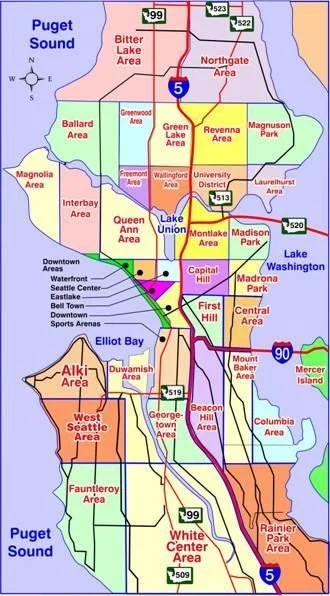
Where should you live? An introduction to Seattle neighborhoods.

Seattle is a city of neighborhoods - each area has its own culture and special spots! A review of some popular Seattle-area neighborhoods to help you decide where to focus your housing search, and some great places to explore no matter where you live!

University District: The University District is a favorite among UW Seattle students who want to live off-campus. It's super close to the school, and you can easily hop on buses or trains to explore the city. There are a lot of options, but rents may be somewhat higher here because it's right next to UW. There are many shops and restaurants nearby. 

Bryant, Ravenna, Roosevelt, and Wedgwood: These residential areas are all north of the UW Seattle campus, and offer a mix of different homes. These neighborhoods are easily accessible to UW and North Seattle College by bus, and there are more shared homes available. Some might be more budget-friendly than the University District. The Roosevelt Light Rail station is convenient and many buses serve this area.

Ballard. A trendy neighborhood near the water northwest of the UW campus, Ballard is known for seafood and home to many of the city's most popular restaurants. There is a lot of housing in the neighborhood, which is served by several bus lines.  

Northgate: This neighborhood is in north Seattle and has a big shopping area and plenty of buses. This neighborhood tends to be more quiet than others and is conveniently located near North Seattle College, as well as a LINK station and a bus hub. There is convenient shopping and many restaurants nearby.

Montlake: Near the lake and the Arboretum, the Montlake neighborhood is a quiet area where many students live together in shared houses. This is conveniently located near UW and between Seattle Central and North Seattle Colleges, so you'll be near students from a variety of campuses. There are several buses that serve this neighborhood. This are does not have many stores or restaurants. 

Capitol Hill: This lively area near Seattle U and Seattle Central College has many apartments and shared homes at different prices. Located near the heart of downtown Seattle, there is always something to do in Capitol Hill - some of the city's most popular bars and restaurants are in this area, and there's a light rail station to easily travel the city.

Wallingford: A residential area known for its indie shops, cafes, and proximity to the UW campus. This neighborhood is quiet, but still offers a variety of opportunities to engage with the community outside of classes. 

Fremont: Often called the "Center of the Universe," this quirky neighborhood is full of art, entertainment, and unique places to explore. Famous for its variety of restaurants, breweries, and cafes, Fremont is near SPU's campus and is served by many buses to other areas of the city. 

Green Lake: Great for outdoor enthusiasts with its large park and man-made lake, Green Lake is a tranquil neighborhood close to University District that is quiet at night, active on the weekends, and breathtaking throughout the year.

Beacon Hill: A vibrant urban neighborhood overlooking Seattle's skyline. With its rich cultural diversity and thriving community, Beacon Hill is easily accessible via light rail from many local campuses. 

Columbia City and South Seattle: South of the city, several diverse and exciting neighborhoods along the light rail line offer a range of housing. This area can be more affordable, but seek out housing along the light rail because bus service can be slow.  

West Seattle: This residential neighborhood near South Seattle College has several smaller neighborhoods within it! It's a beautiful part of the city great for walking and running. Alki Beach is in West Seattle. 

Bellevue and the East Side: Across the bridges from Seattle to the east, Bellevue, Mercer Island, and other cities are near the Bellevue College campus. There is good bus service here, where many tech companies are located. 

Renton: This city boasts a vibrant downtown scene with diverse dining options, local boutiques, and cultural events. Located south of Seattle and along the shores of Lake Washington, Renton offers an interesting option for students who want to be close to the mountains and still within reach of Seattle.

Remember, each neighborhood has its own vibe and advantages, so take your time to explore and find the one that feels right for you!

Applying for housing

How to Apply for Housing around Seattle

Getting a place can be hard to figure out on your own. Usually it involves a few steps:

1. Talk with the landlord or manager and visit the place in person before handing over any money.

2. Fill out forms and potentially allow time to have a background check. Sometimes you need someone else to guarantee you'll be able to pay your monthly rent (like a co-signer).

3. Pay the application fee or deposit (if required).

4. Wait about 2 to 10 business days for an answer.

Understanding Rental Agreements

When you rent an apartment, you will sign a contract called a lease. The lease explains things like rent amount, when rent is due, deposits, repairs, parking, and more. Make sure you understand everything before you sign, especially how you end your lease and what you are responsible for. Also, before you move in, take a good look around for any damage - this should be noted in your lease agreement. If you're unsure about anything, don't hesitate to ask the landlord.

Be careful about housing scams. These scams often involve sending money through services like Western Union or sharing your financial info. If someone won't meet you face-to-face before taking your money, that's a warning sign. To stay safe, avoid sending money through services like Western Union, don't share personal financial info, and don't agree to rent a place without seeing it first. Also, don't give money for background checks until you've met the landlord or agent in person.

Paying bills and furnishing advice

Dealing with Bills

Things like gas, water, electricity, and the internet are called utilities. Some apartments include a set amount for these in the rent. Others don't, so you'll get separate bills. Make sure to ask your landlord about what's included.

You can save on utilities by doing simple things like turning off lights when you don't need them, not using too much heat or air conditioning, and taking shorter showers to save water.

Setting Up Your New Place

When you move in, your new home might come with furniture or not. An unfurnished place doesn't have things like beds, tables, or couches. But you usually get essential stuff like a stove, fridge, and dishwasher. Furnished places are easier because they're already set up, but they might cost more. If you need furniture but won't be here very long, there are some local companies that offer furniture rental. If you'll  be here longer, search for a nearby "buy nothing" group - they can be great sources of items you might need!

Immigration tip of the week

New students can't enter the USA earlier than 30 days before the program start date printed on their I-20 form. The government is OK with you entering anytime between 30 days early and your program start date. We recommend coming early enough to recover from jet lag and to your university's welcome program.

Reasons you might arrive early:

  • Find off-campus housing

  • Find an on-campus part-time job

  • Meet a local host

  • Travel inside the USA

  • Start to make friends at Welcome Week!

Save the Date(s): Welcome to Seattle Week

The FIUTS team is already preparing for this fall’s Welcome to Seattle Week! We’re planning a week of exploration, community building, and celebration as we kick off the academic year for new students from across our community. We will have daily neighborhood scavenger hunts, an international trivia night, a cruise around Lake Union, and a neighborhood cleanup followed by a community bbq/block party. Take a look at the schedule and save the date for your favorite event!

Welcome Week Sponsors

New to the U.S.? Panda Mobile offers student-friendly plans with 50% off 2 months (code: FIUTS50) and unlimited calls/texts to 229 countries.


Discover Seattle with FIUTS!

Whether you enjoy shopping, going to museums, listening to live music, or hiking in the mountains, you'll find a variety of fun things to do in Seattle - and adventures are always more fun with friends! FIUTS events, activities, outreach, and leadership programs are designed to help you make the most of your time here in Seattle.

FIUTS offers more than 100 events and programs each year to help students explore our region and build friendships with others. Visit the FIUTS Events & Activities Calendar to see what's coming up.

If you don't already receive it, the FIUTS Weekly E-news highlights upcoming events and programs around the Puget Sound.

Are you #FollowingFIUTS on Social Media?

FIUTS is active on several social media platforms, and it’s a great way to connect with the community and hear about upcoming events & programs

Check us out on Instagram, Facebook, and LinkedIn or join on of these helpful groups:
FIUTS International Students on Facebook, FIUTS Alumni on Facebook, LinkedIn FIUTS Group!

Foundation for International  Understanding Through Students

FIUTS advances international understanding through cross-cultural experiences, student leadership, and community connections.


909 NE 43rd St, Suite 210

Seattle, WA 98105
(206)  437-8056
www.fiuts.org

FIUTS | Foundation for International Understanding Through Students

FIUTS, 909 NE 43rd Street, Suite 210, Seattle, United States

Powered by Squarespace

Unsubscribe